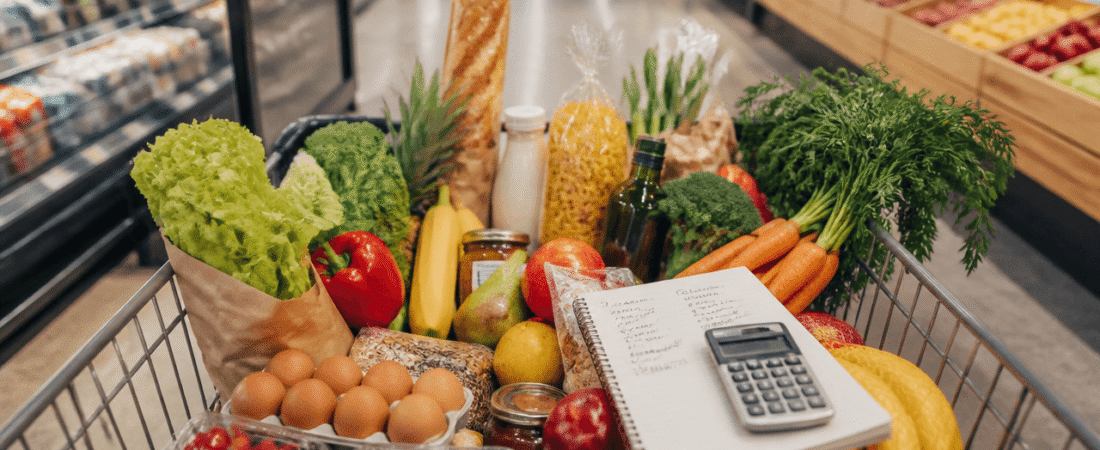
Discover practical grocery shopping strategies that help families reduce food expenses, minimize waste, and save money every month without sacrificing quality or convenience.
Grocery bills have a way of creeping up without anyone noticing — a few extra snacks here, a last-minute takeout run there, and suddenly the monthly total looks nothing like the budget you planned. For families juggling multiple appetites and schedules, cutting that cost without sacrificing quality or convenience can feel impossible. But with a few structural changes to how you shop, plan, and cook, it’s realistic to trim a meaningful chunk off your grocery spending — without anyone at the table noticing a difference.
Rethink Your Meal Planning Routine
Random grocery trips are where budgets quietly fall apart. Instead:
- Plan meals around what’s already in your pantry and freezer before adding anything new to the list.
- Build a rotating two-week meal plan so you’re not reinventing dinner from scratch every week.
- Cook with overlapping ingredients — a rotisserie chicken can turn into tacos, soup, and a salad across three different meals.
Shop Smarter, Not Just Cheaper
- Compare unit prices, not just sticker prices — the larger package isn’t always the better deal.
- Shop the store’s weekly sales flyer first, then build your meal plan around what’s discounted.
- Buy generic or store-brand staples for pantry basics like flour, rice, and canned goods, where quality differences are minimal.
- Time bigger shopping trips around paydays or sales cycles to avoid impulse-driven mid-week runs.
Reduce Food Waste (Which Is Really Money Waste)
The average family throws away a surprising percentage of the food it buys. A few habits fix this fast:
- Store fruits and vegetables properly so they last longer (this alone can add days to their shelf life).
- Freeze leftovers immediately instead of letting them linger in the fridge.
- Use a “eat this first” bin in your fridge for items nearing their expiration date.
Get Strategic With Bulk Buying
Buying in bulk only saves money when it’s done right.
- Stick to bulk purchases for non-perishables and items your family reliably uses, like rice, pasta, or frozen produce.
- Split large bulk purchases with another family if the quantity is more than you’ll use before it spoils.
- Avoid bulk-buying perishables unless you have a clear plan (and freezer space) to use them.
Involve the Whole Family
- Let kids help plan meals for the week — they’re more likely to eat what they helped choose, which cuts down on wasted ingredients.
- Batch-cook on weekends so weeknight takeout temptation goes down.
- Pack lunches instead of relying on cafeteria or takeout costs, even a few days a week adds up fast.
The Bottom Line
Saving on groceries isn’t about extreme couponing or giving up the foods your family loves — it’s about shopping with intention, reducing waste, and planning meals that stretch further. Small changes, applied consistently, add up to real savings by the end of the month.